Al Fahidi Historical District

Al Fahidi Historical District (Bastakiya) - Old Quarter with Narrow Streets

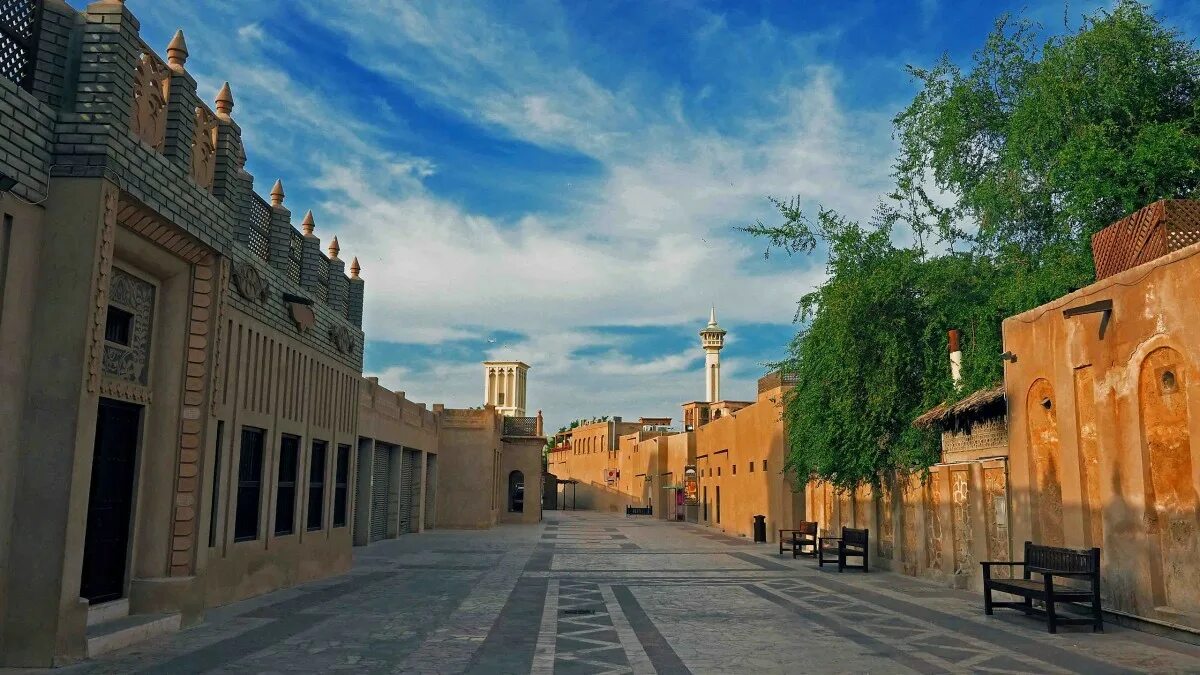
The Al Fahidi Historical District, also known as Bastakiya, is one of Dubai's oldest neighborhoods, dating back to the 1890s. This preserved area offers a glimpse into traditional Emirati architecture and way of life before the oil boom transformed the city.

Wandering through the narrow, winding lanes, you'll discover traditional wind-tower houses made of coral and gypsum, designed to provide natural air conditioning in the desert climate. The wind towers, or barajeel, catch the breeze and direct cool air into the homes below.

Today, many of these restored buildings house art galleries, museums, cafes, and boutique hotels. The district is home to the Dubai Museum, located in the Al Fahidi Fort, which showcases the emirate's transformation from a small fishing and pearl-diving village to a global metropolis.

Cultural centers like the Sheikh Mohammed Centre for Cultural Understanding offer heritage tours and traditional meals, providing visitors with authentic insights into Emirati culture and customs.
Dubai Creek

Dubai Creek - Traditional Boats and Ancient Quarters

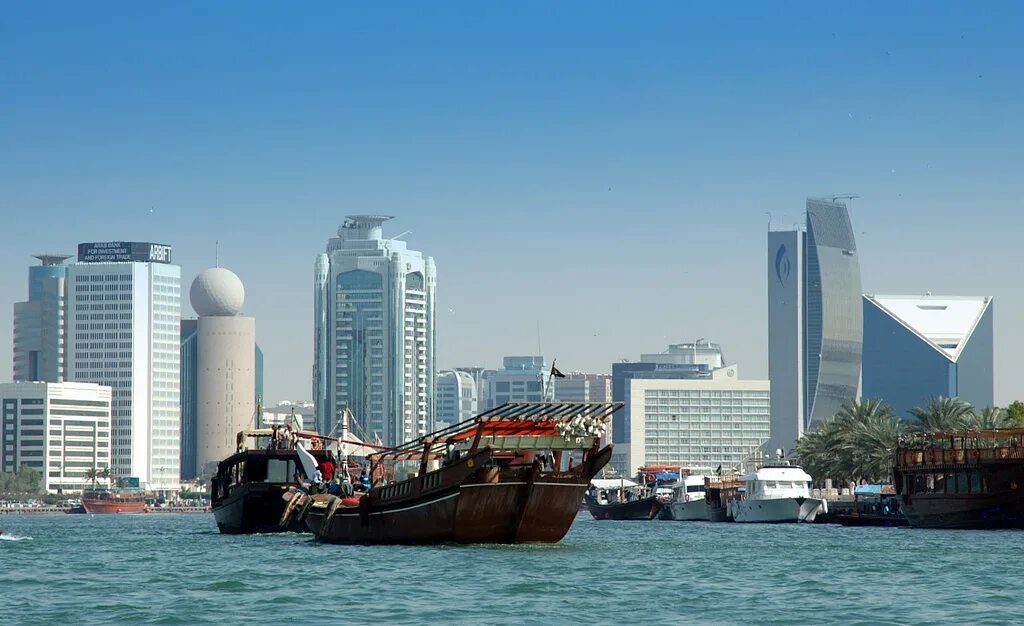
Dubai Creek is the historic heart of the city, a natural seawater inlet that divides Dubai into two main sections: Deira to the north and Bur Dubai to the south. For centuries, this waterway was the lifeline of Dubai's economy, serving as a hub for fishing, pearl diving, and trade.

Traditional wooden abra boats have been ferrying passengers across the creek for generations. These small motorized water taxis offer an authentic and affordable way to experience the creek, providing stunning views of both the historic districts and modern skyline.

The creek's banks are lined with bustling souks, traditional markets, and historical buildings. The Heritage Village on the Bur Dubai side recreates a traditional desert village, complete with Bedouin tents, craft demonstrations, and cultural performances.

Dhow cruises along the creek offer a romantic evening experience, with dinner cruises that showcase both old and new Dubai while enjoying traditional Arabic cuisine and live entertainment under the stars.

Gold and Spice Souks

Gold and Spice Souks - The City's Famous Markets

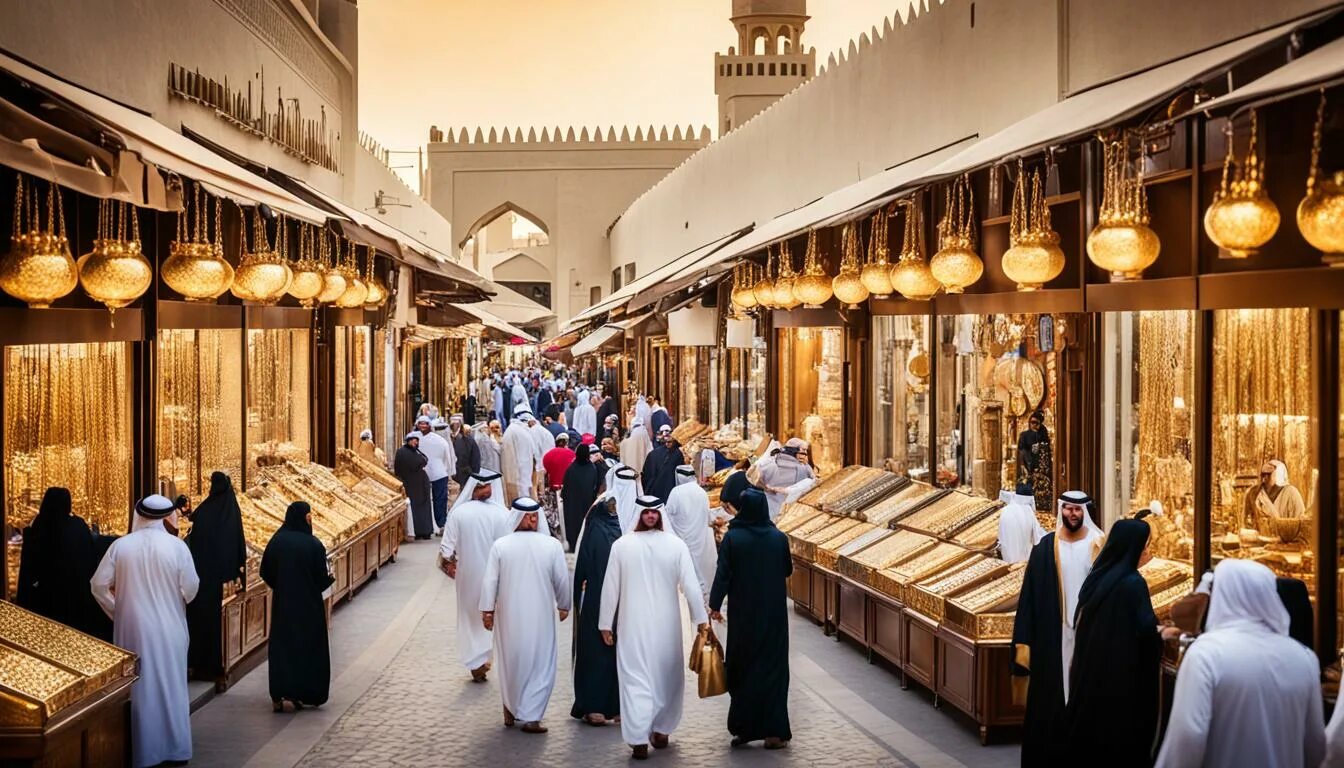
The Gold Souk in Deira is one of the world's largest gold markets, with over 300 retailers selling everything from delicate jewelry to elaborate gold necklaces and bracelets. The souk's narrow lanes are lined with shop windows displaying intricate gold pieces that glitter under the traditional lighting.

Adjacent to the Gold Souk, the Spice Souk offers an aromatic journey through Middle Eastern spices, herbs, and traditional remedies. Vendors display colorful mounds of saffron, cardamom, cinnamon, and other exotic spices, filling the air with intoxicating scents.

These traditional markets provide a stark contrast to Dubai's modern shopping malls, offering an authentic bargaining experience where haggling is expected and part of the shopping culture. The souks maintain their traditional character while welcoming visitors from around the world.

Beyond gold and spices, the area also features the Perfume Souk and Textile Souk, where you can find Arabic perfumes, oud, and traditional fabrics. These markets represent Dubai's trading heritage and continue to be important commercial centers.

Mosques and Cultural Centers

Mosques and Cultural Centers - Exploring Religion and Culture of Dubai

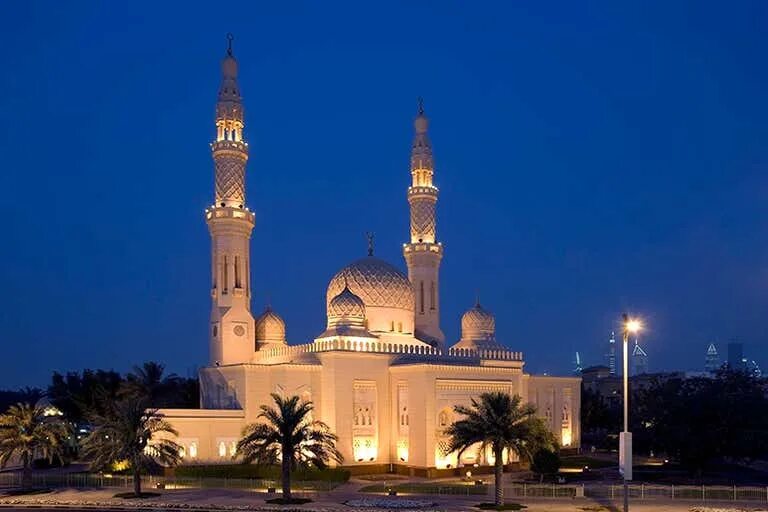
Dubai's mosques are architectural masterpieces that reflect Islamic design principles and serve as centers of worship and community. The Jumeirah Mosque is one of the few mosques in Dubai open to non-Muslim visitors, offering guided tours that provide insight into Islamic architecture and practices.

Built in the medieval Fatimid tradition with intricate stone work, the Jumeirah Mosque can accommodate up to 1,200 worshippers. Its two minarets and central dome create a striking silhouette, especially when illuminated at night.

Cultural centers throughout Dubai offer opportunities to learn about Emirati traditions, language, and customs. The Etihad Museum documents the founding of the United Arab Emirates in 1971, showcasing the vision and unity that created the modern nation.

The Dubai Opera, while modern, reflects the city's commitment to arts and culture, hosting world-class performances ranging from opera and ballet to concerts and theatrical productions. These institutions bridge the gap between traditional Emirati culture and contemporary global arts.

Visiting these cultural sites provides a deeper understanding of Dubai's identity, showing how the city balances its Islamic heritage with its role as an international crossroads of cultures and ideas.

Traditional Emirati Cuisine

Emirati cuisine reflects the rich heritage and trading history of the region, blending flavors from across the Middle East, India, and Persia. Traditional dishes were designed for the desert climate, using local ingredients and preservation methods passed down through generations.

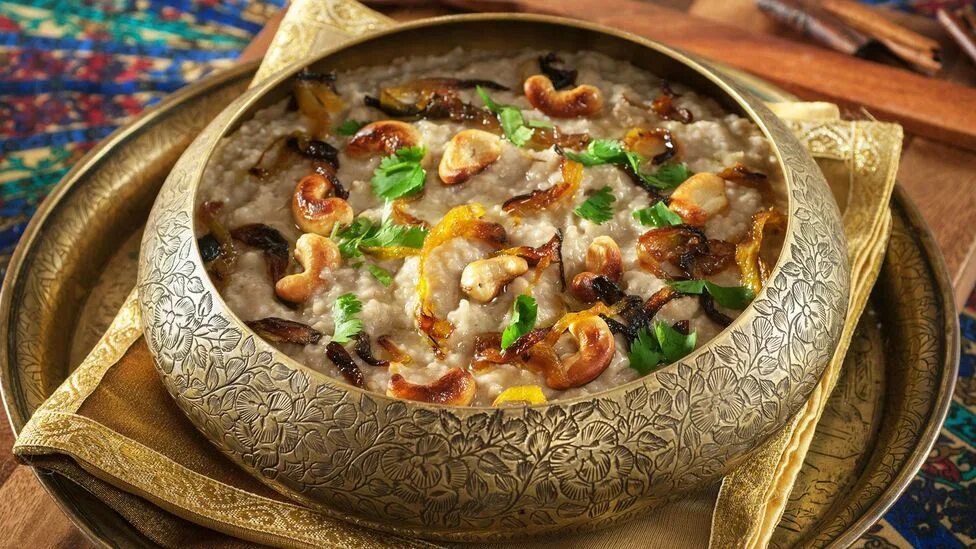
Al Harees

Al Harees

This traditional dish, often served during Ramadan and special occasions, combines wheat and meat cooked slowly until it reaches a porridge-like consistency. The ingredients are baked in clay pots for hours, resulting in a rich, hearty meal that represents the essence of Emirati comfort food.

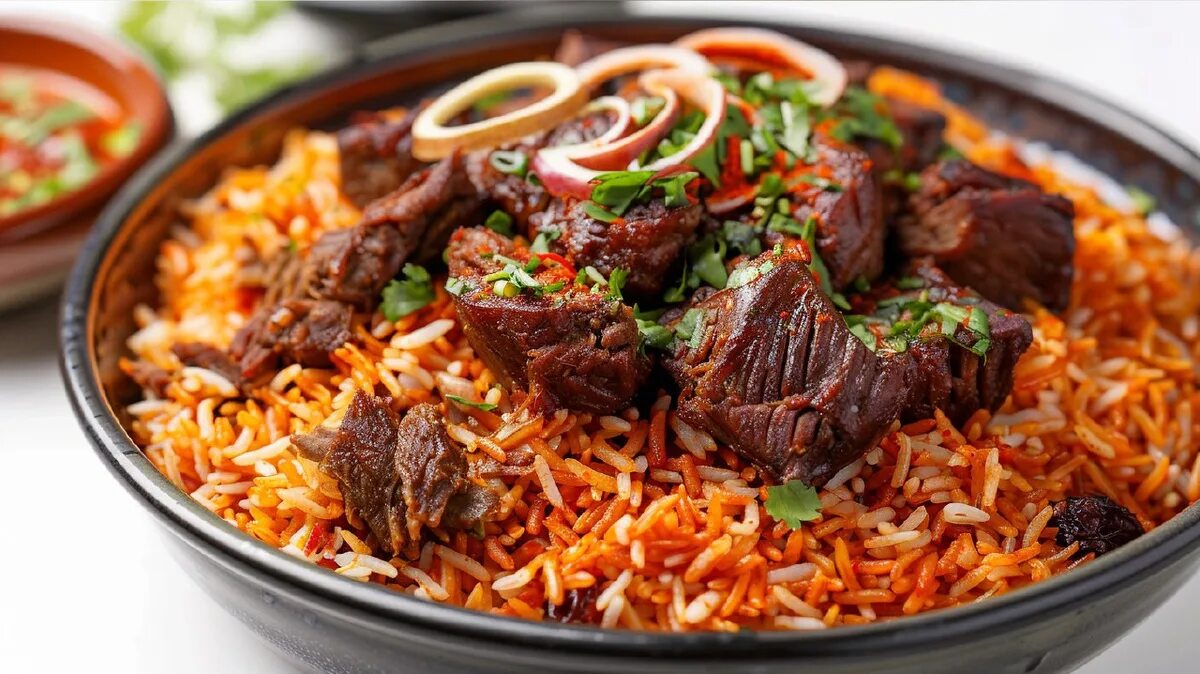
Machboos

Machboos

Considered the national dish of the UAE, Machboos features spiced rice cooked with meat (usually chicken, lamb, or fish) and flavored with saffron, turmeric, and dried limes. This aromatic one-pot meal showcases the influence of Indian and Persian culinary traditions.

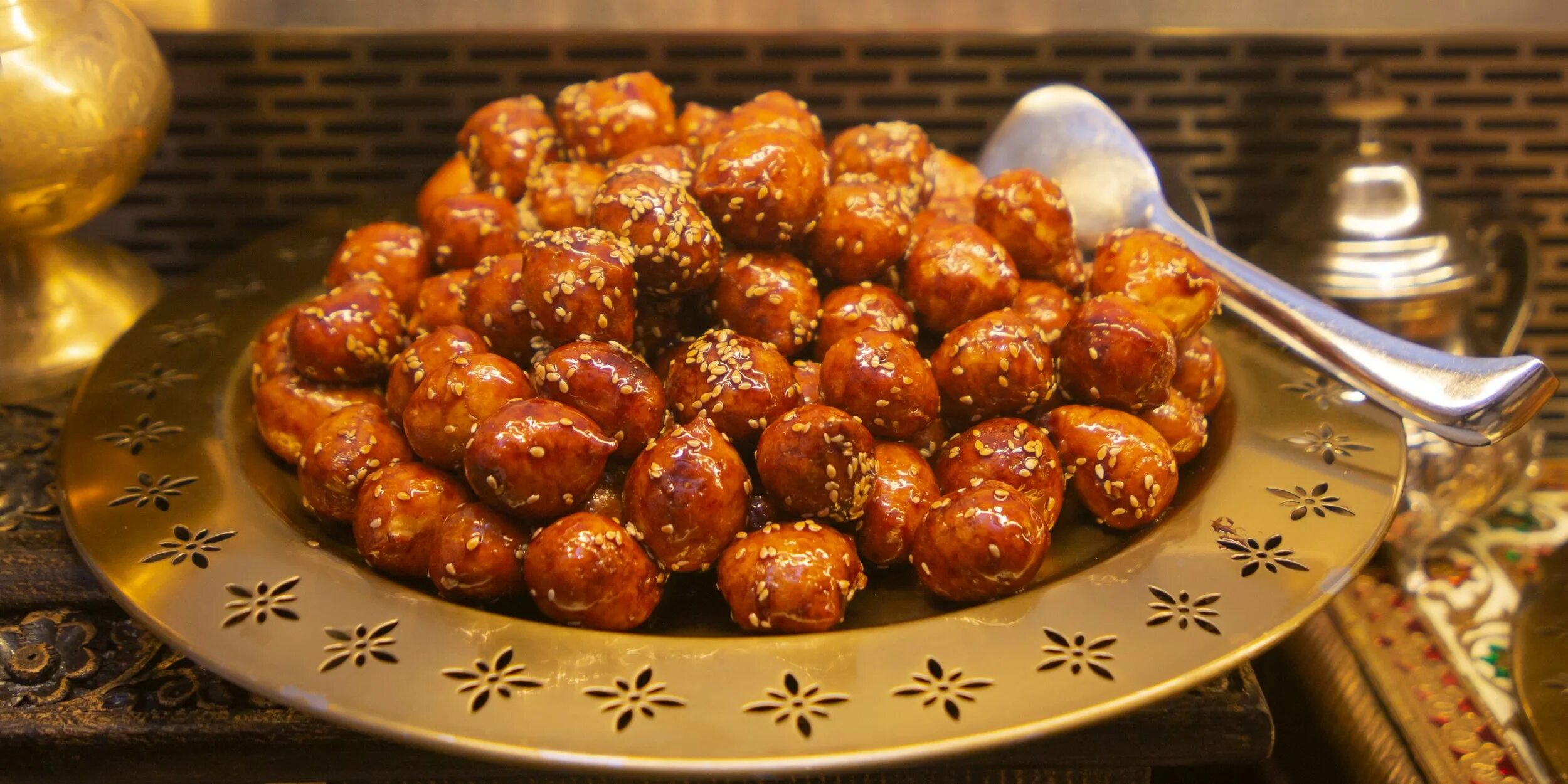
Luqaimat

Luqaimat

These sweet dumplings are a beloved Emirati dessert, deep-fried until golden and crispy, then drizzled with date syrup or honey. Luqaimat are often served with Arabic coffee and represent the hospitality that is central to Emirati culture.

Arabic Coffee & Dates

Arabic Coffee & Dates

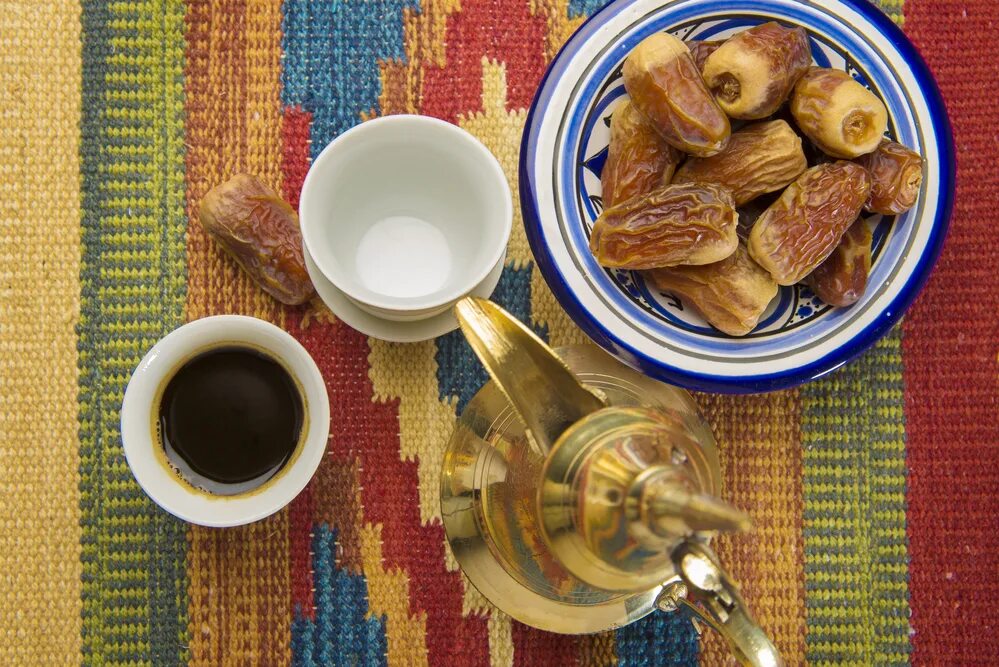
Traditional Arabic coffee, or gahwa, is an integral part of Emirati hospitality. Served in small cups with dates, this ritual welcomes guests and symbolizes generosity. The coffee is lightly spiced with cardamom and saffron, creating a unique flavor that reflects local traditions.

Festivals & Cultural Traditions

Ramadan & Eid Celebrations

Ramadan & Eid Celebrations

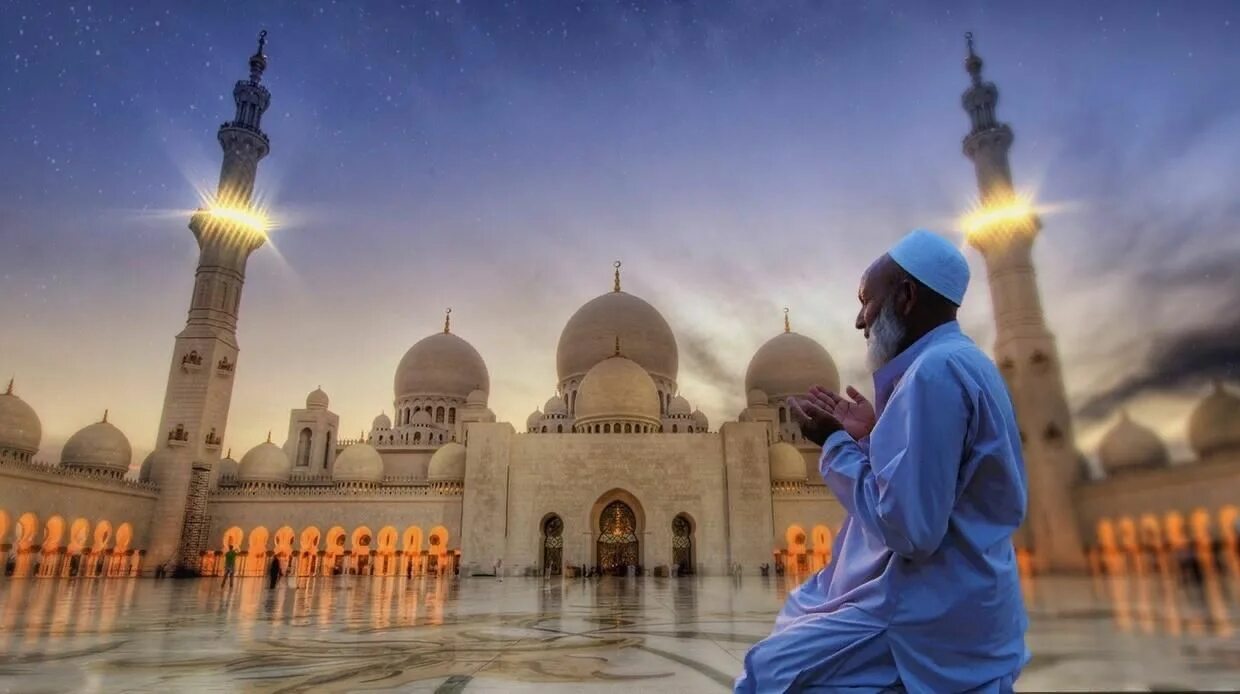
Ramadan is the holiest month in the Islamic calendar, observed with fasting from sunrise to sunset. During this time, Dubai transforms with special iftar tents offering traditional meals, and the city comes alive after sunset with cultural events, markets, and communal gatherings. The end of Ramadan is marked by Eid al-Fitr, a festive celebration with family gatherings, gift exchanges, and special prayers.

Eid al-Adha, another significant religious festival, celebrates the story of sacrifice and faith. Both Eid celebrations see Dubai decorated with lights, special cultural performances, and extended shopping hours, offering visitors unique insights into Islamic traditions.

National Day Celebrations

National Day Celebrations

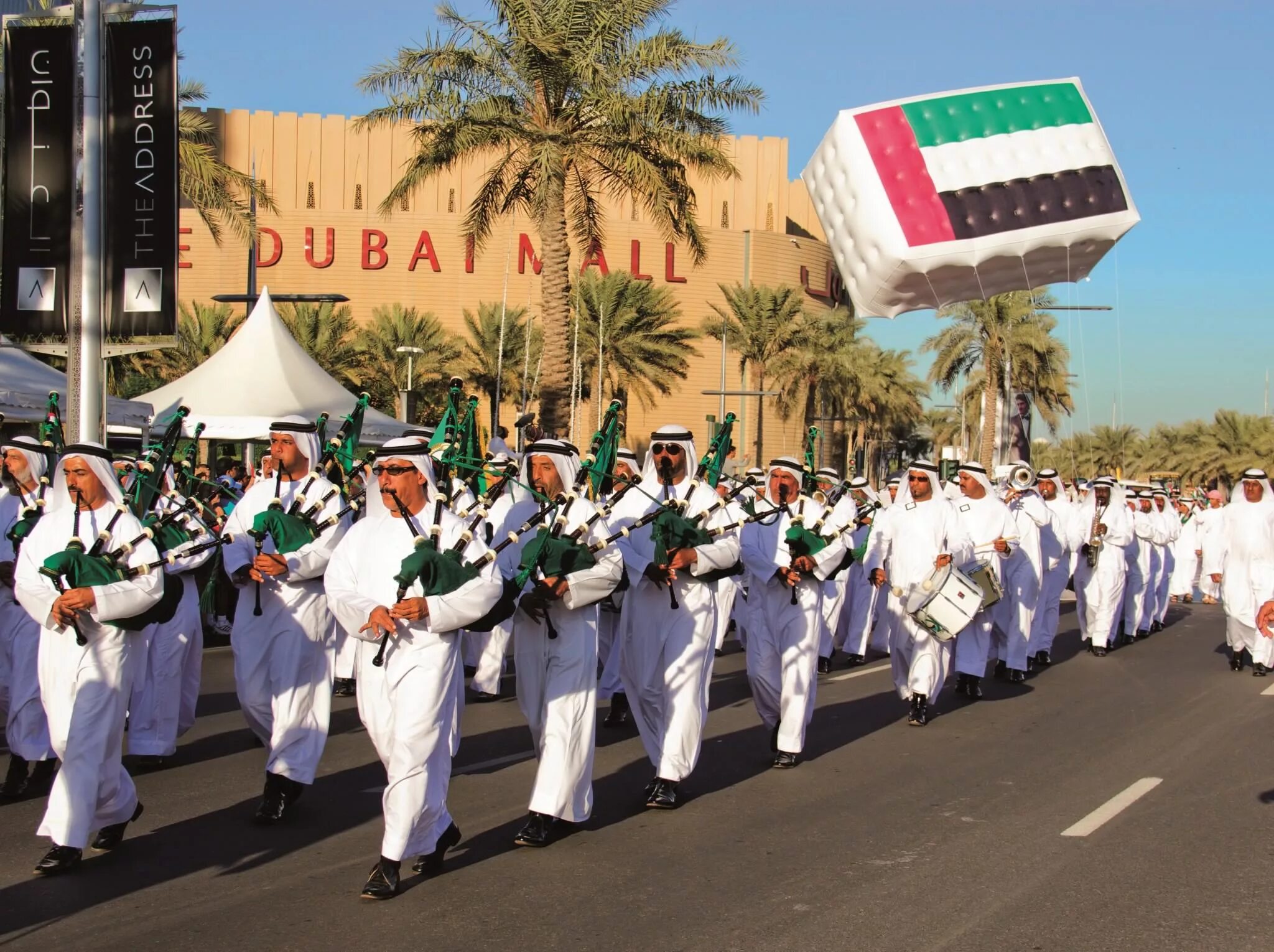
UAE National Day on December 2nd marks the founding of the United Arab Emirates in 1971. The celebrations showcase national pride with parades, fireworks, cultural performances, and displays of Emirati heritage. Buildings and landmarks are illuminated in the national colors, and traditional dances, music, and art exhibitions celebrate the country's history and progress.

Throughout the year, Dubai hosts cultural festivals that honor traditional crafts, music, and arts. The Dubai Shopping Festival and Dubai Food Festival also incorporate cultural elements, creating opportunities to experience both modern entertainment and traditional heritage.

Traditional Arts & Crafts

Traditional Arts & Crafts

Emirati culture preserves traditional arts including henna painting, falconry, camel racing, and dhow building. Cultural centers and heritage villages offer workshops where visitors can learn about these ancient crafts. The art of Arabic calligraphy is celebrated in galleries and exhibitions, while traditional music and dance performances showcase the region's artistic heritage.

These cultural practices are not relics of the past but living traditions that continue to evolve, bridging the gap between historical heritage and modern expression in contemporary Dubai.